Smarter Occupancy Sensing in the Modern Workplace

Workplaces are becoming smarter, more energy-efficient, and more responsive to how people actually use space. This shift is driven by both energy efficiency goals and the need to make better use of shared office spaces. From automatically controlling lighting and HVAC, to enabling room-booking analytics and touchless interaction, sensing whether people are present and how they move is becoming increasingly important.
Passive Infrared (PIR)
Traditionally, corporate buildings and offices have utilized passive infrared (PIR) sensor to achieve this. PIR devices infer occupancy by measuring changes in infrared radiation within their field of view. They are inexpensive and simple to deploy, which explains their widespread use. However, this approach has several well-known limitations. Any change in the observed scene, such as sunlight shifts, movement outside a window, or equipment warming up or cooling down, can trigger false detections. Conversely, if a person remains still for a prolonged period, the sensor may stop registering occupancy, much to the annoyance of people using public bathroom sftalls.
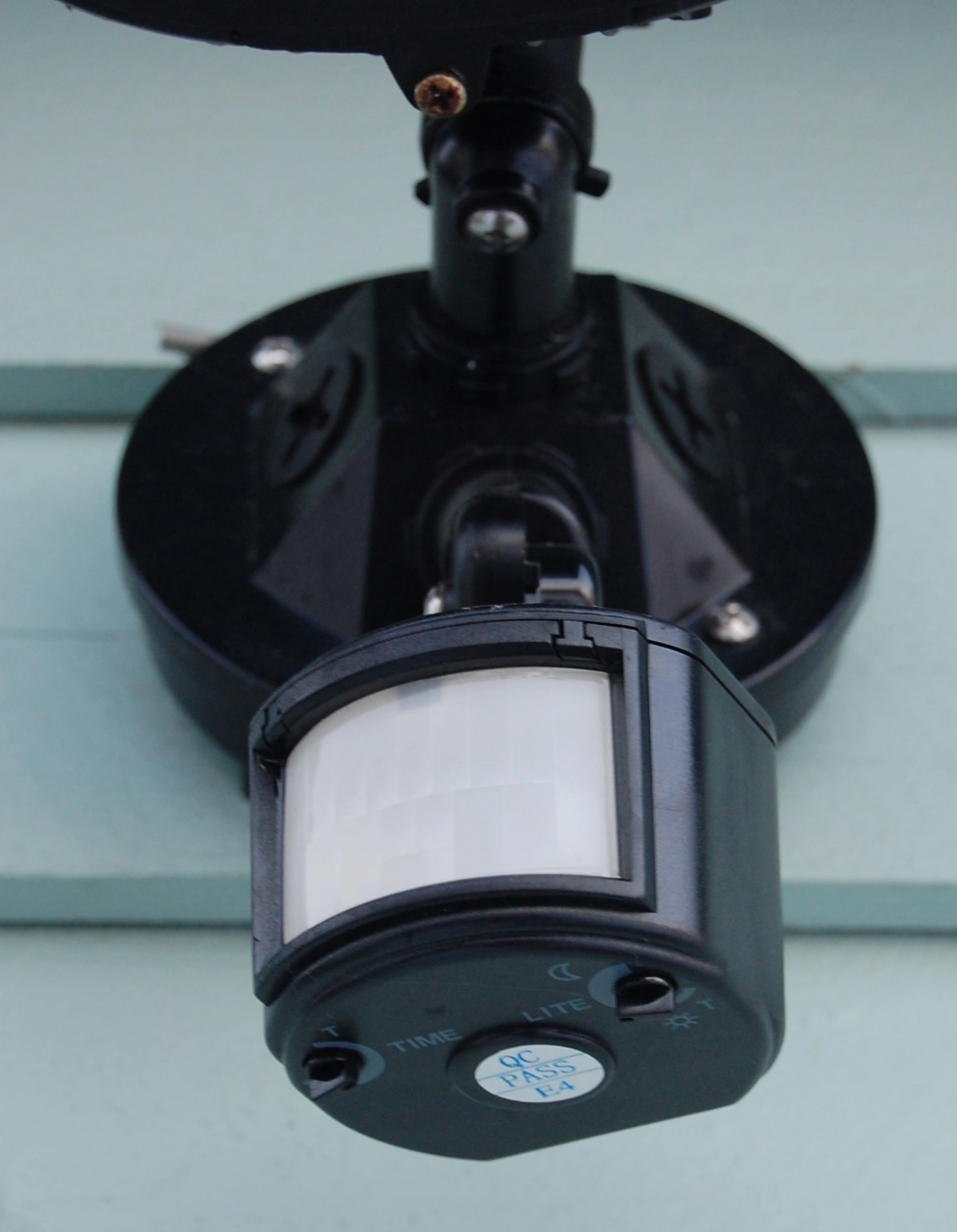
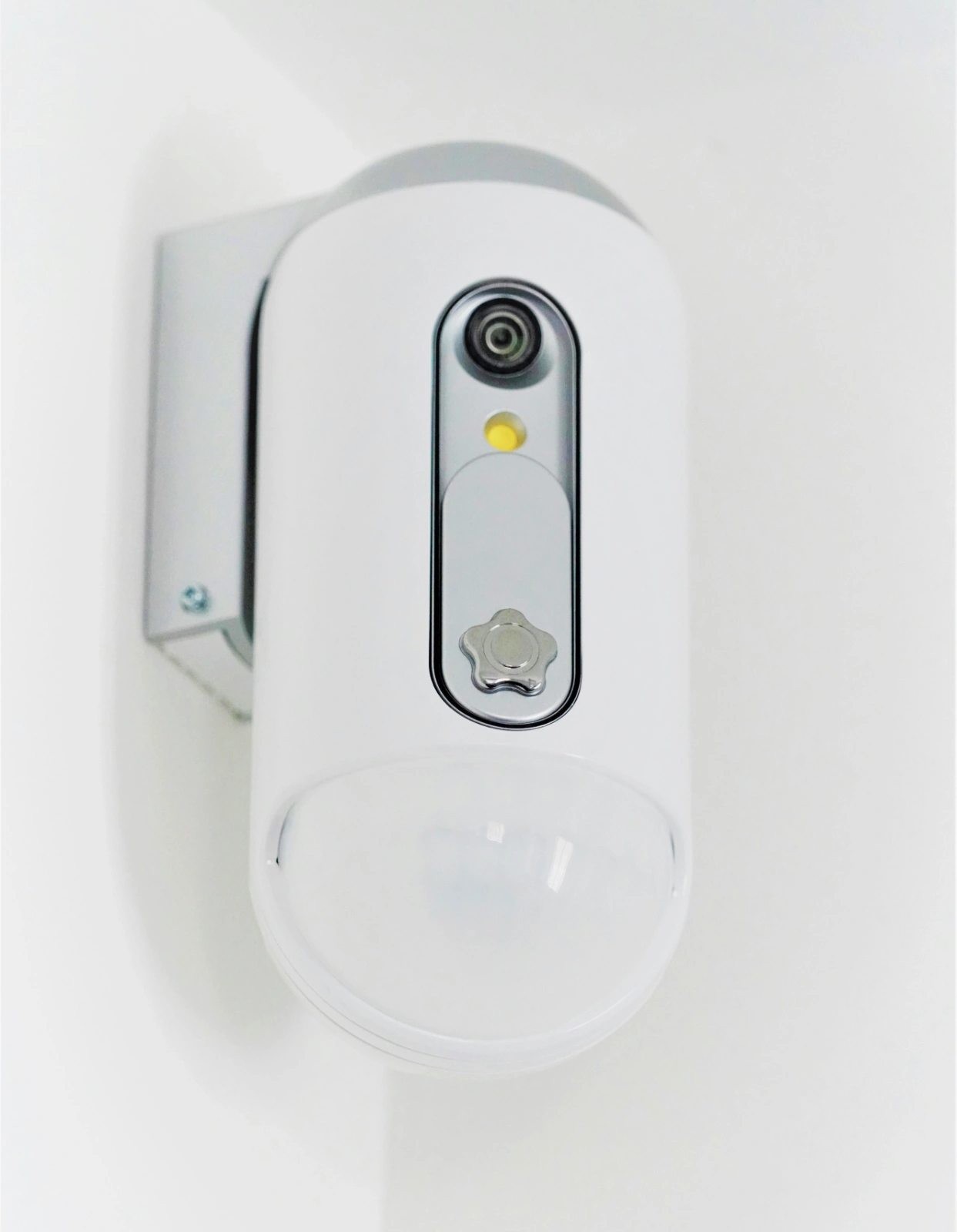
Passive Infrared (PIR) sensors, with and without an integrated camera
Camera
At the opposite end of the technology spectrum, occupancy can be determined using camera systems, combined with machine learning. Vision-based solutions can provide detailed information about movement and behavior, including counting, tracking, and activity classification. In principle, they offer the richest environmental understanding.
In practice, camera sensing introduces significant cost and infrastructure complexity when deployed across large office buildings. Continuous imaging requires substantial processing, networking, and storage resources. Lighting conditions also affect reliability, often requiring HDR sensors or infrared illumination.
More importantly, cameras raise persistent privacy concerns. Even when analytics operate on-device, the perception of surveillance remains. Continuous imaging of workspaces is often viewed as intrusive and may conflict with workplace policies, employee expectations, or regional data-protection regulations. For many organizations, this alone limits adoption in everyday office areas.
Time-of-Flight
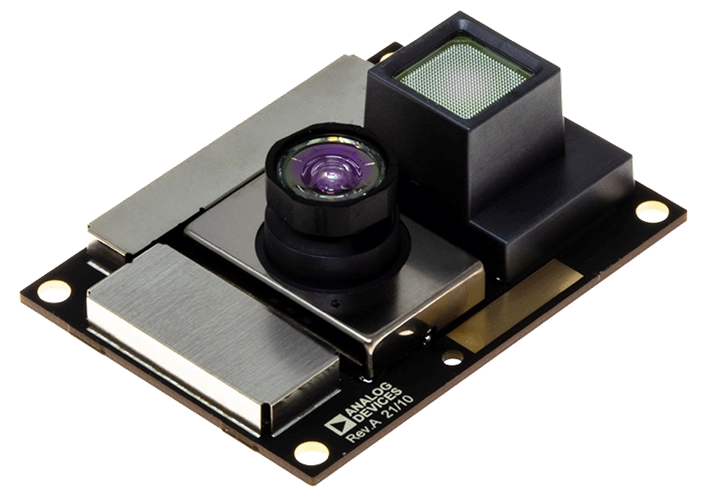
Time-of-Flight sensors occupy a middle ground between PIR and cameras. They emit modulated infrared light, and measure the return time to estimate depth – producing coarse 3D information about the scene. This enables presence detection that is less dependent on motion than PIR, and avoids recognizable images, unlike cameras.
ToF works well in small, controlled spaces such as desks, kiosks, or doorways. However, optical depth sensing still depends on line-of-sight and surface reflectivity. Dark fabrics, glossy surfaces, or sunlight interference can degrade measurements. Coverage area is typically limited compared with radio-frequency sensing, requiring multiple sensors for larger rooms. In open office environments with varied lighting and materials, ToF reliability can vary. Range is usually a few meters, and occlusion by furniture or partitions can easily block detection. As a result, ToF is often better suited to near-field interaction sensing than whole-room occupancy monitoring.
Thermal Imaging
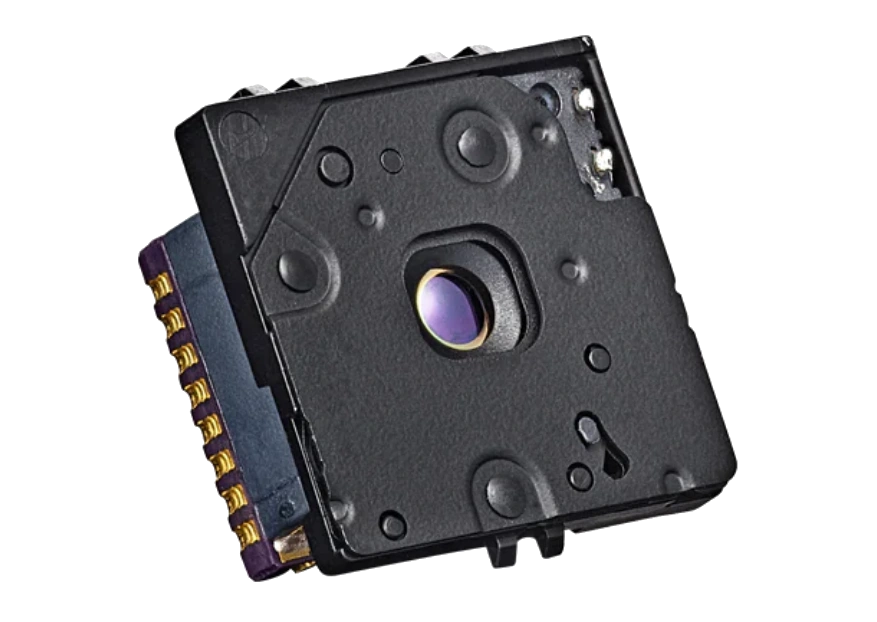
Thermal sensors detect the heat emitted by people rather than reflected light. This makes them independent of visible illumination, and capable of detecting stationary occupants more reliably than PIR sensors. Low-resolution thermal arrays can preserve privacy while still identifying human presence patterns.
Despite these advantages, thermal sensing remains sensitive to environmental conditions. HVAC airflow, warm equipment, sunlight patches, or heated walls can create temperature gradients that mimic or obscure occupants. Seasonal variations and building thermal inertia can change background conditions, complicating calibration.
Thermal imagers also provide limited spatial resolution at practical cost points. While they can indicate that a warm body is present, extracting direction, range, or motion characteristics is difficult without more expensive sensors. For large-area occupancy analytics, scalability becomes challenging.
Why radar?
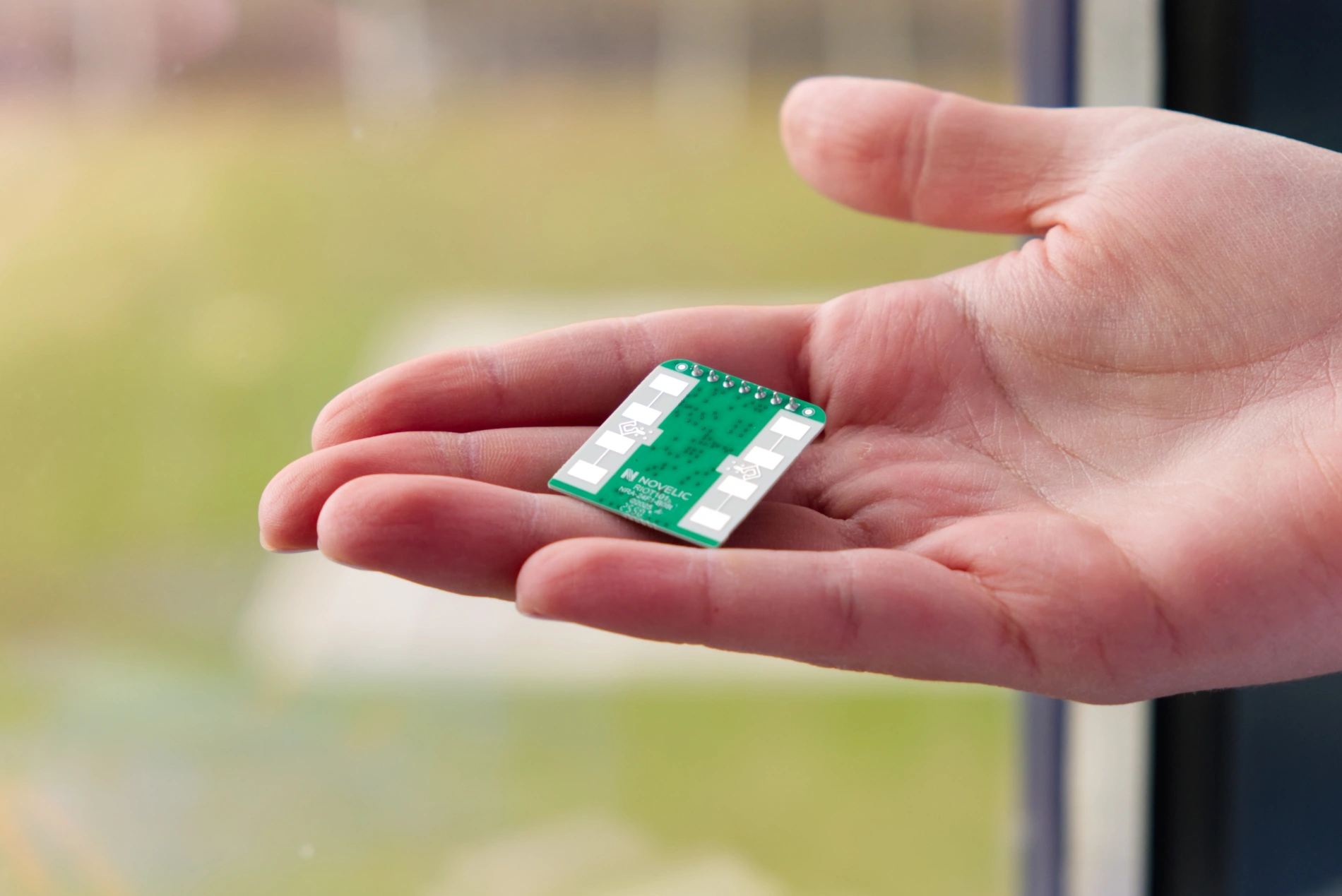
Sitting comfortably between privacy and complexity lies modern mmWave radar sensing. Millimeter-wave radar devices transmit very low-power radio signals and analyze reflections from objects in the environment. This allows detection of presence, motion, and even subtle physiological movement such as breathing, without capturing visual images.
Unlike optical or thermal modalities, radio waves are largely insensitive to lighting, color, or surface appearance. Radar responds primarily to geometry and motion. This makes it robust across day-night cycles, seasonal changes, and diverse interior materials.
Advances in semiconductor integration over the past decade have reduced radar implementations from multi-board assemblies to compact single-chip solutions with integrated antennas and signal processing. What was once confined to automotive or industrial systems is now cost-effective and practical for distributed building deployment.
Radar sensors can be seamlessly integrated behind wood, ceramics, plastics and glass surfaces, and can be installed as dedicated units on ceilings and walls, as well as into light fixtures for more localized detection in office spaces.
Why Radar Fits Office Environments
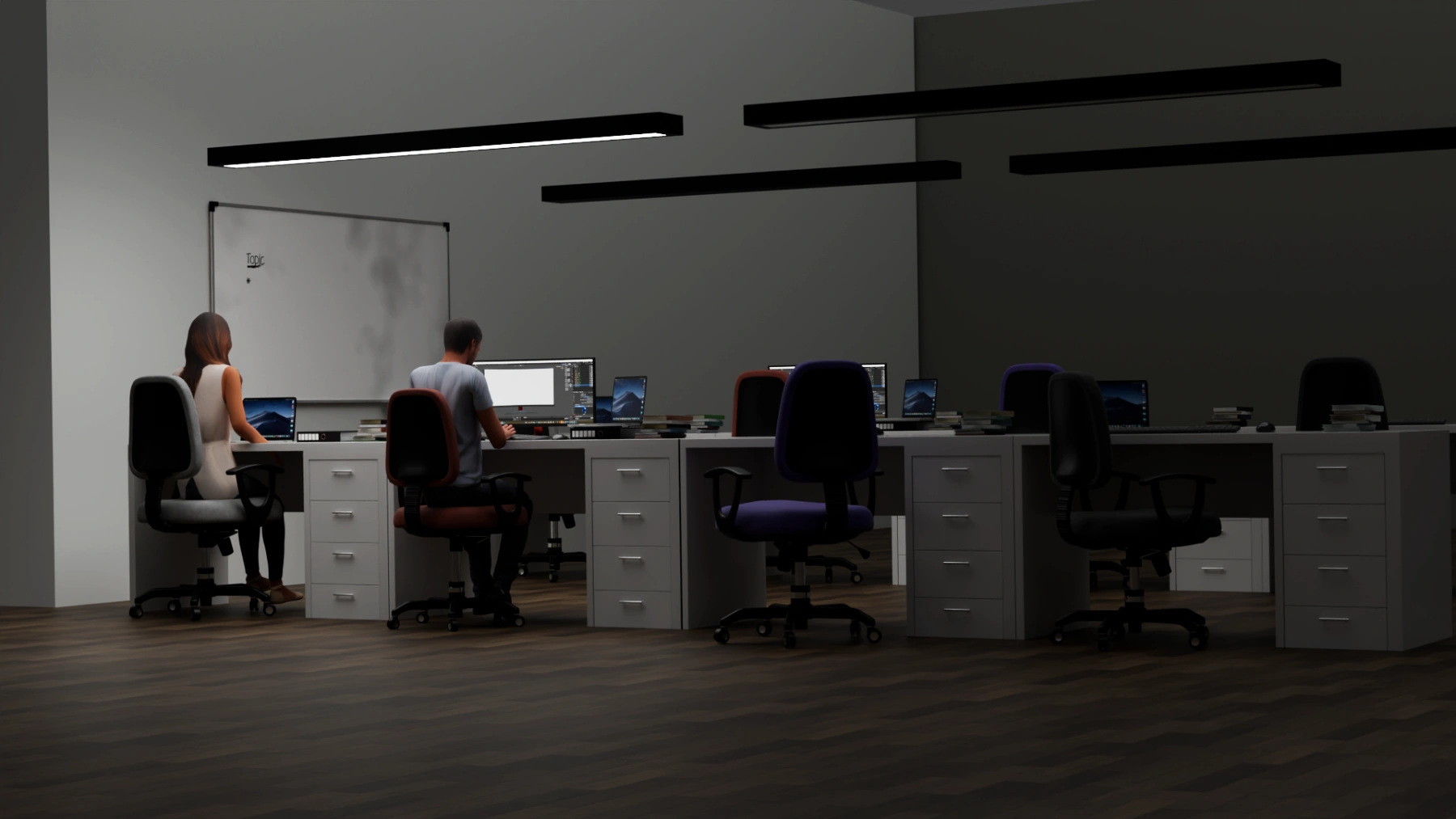
Continuous presence detection
Radar can maintain occupancy detection even when people remain still for extended periods. This is critical in offices, meeting rooms, and rest areas where motion is minimal.
Environmental robustness
Radar performance is largely independent of lighting conditions, color, or thermal contrast. Windows, screens, and HVAC airflow have minimal effect compared with PIR.
Privacy-friendly sensing
Radar measures reflections rather than images. It can detect that someone is present without revealing identity or appearance, addressing common privacy concerns. The lack of a need for a protruding lens also increases comfort for occupants, as they don’t feel they’re being watched.
Scalable hardware integration
Advances in semiconductor technology have reduced radar systems from multi-board assemblies to single-chip modules with integrated antennas and processing. This enables compact ceiling or fixture integration and cost-effective scaling across buildings.
Rich but abstract data
Radar can provide more information than simple motion sensors, such as approximate range, direction of movement, and occupancy persistence, without generating sensitive visual data. This supports smarter building automation and analytics.
Why NOVELIC
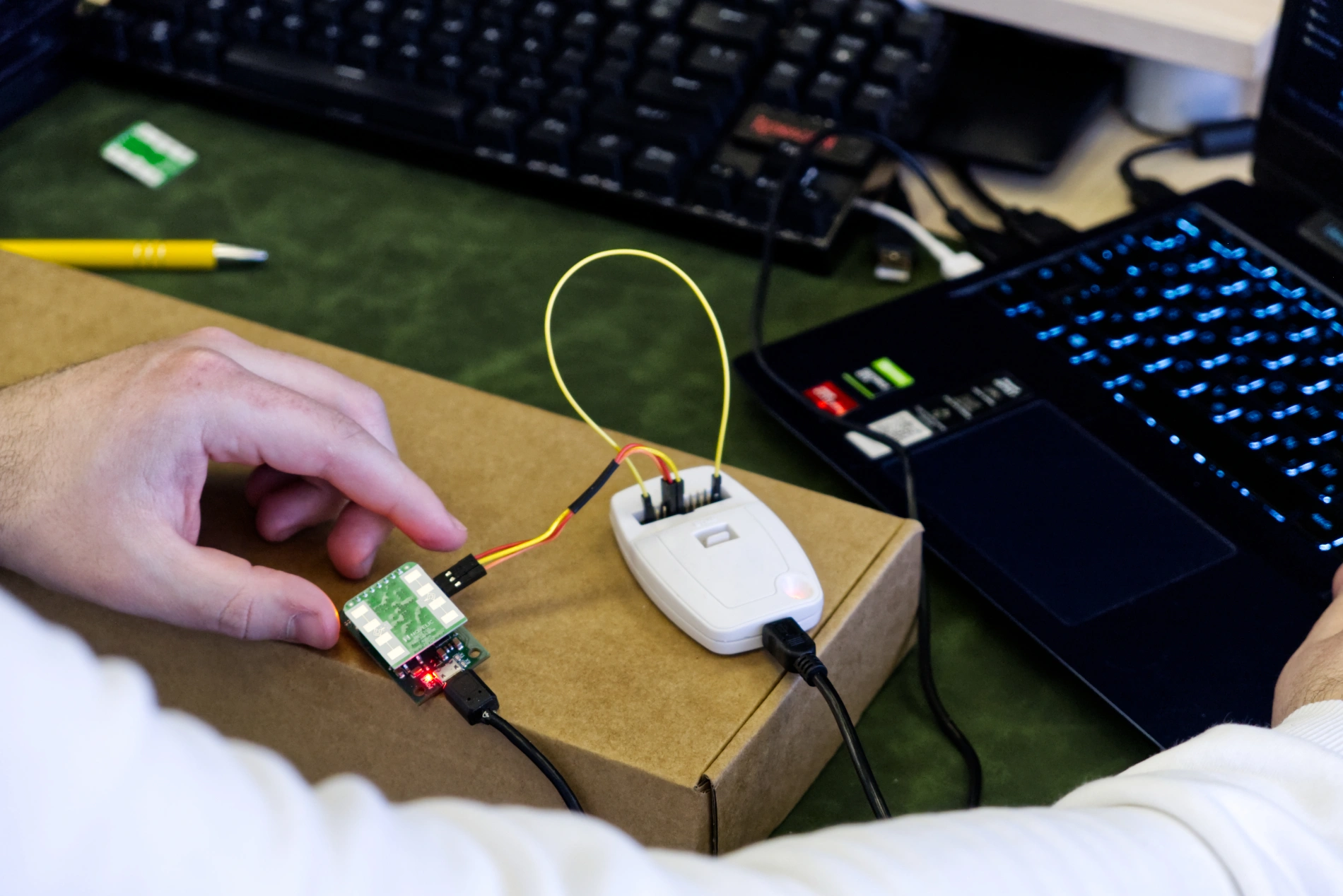
While many companies sell off-the-shelf radar modules, the nature of the technology necessitates a tailored algorithm for each use case in order to get the best performance, meaning that there is no one-size-fits-all solution.
In addition to meeting room occupancy and office occupancy sensing, NOVELIC’s RIOT100 human presence detection radar supports applications such as street lighting, hotel room occupancy or escalator activation – all based on the same hardware platform, but adjusted for optimal performance.
For companies developing solutions in higher quantities, NOVELIC is ready to customize the radar platform to fit the usage scenario. This includes detection range, outputs, multi-module setups, different communication protocols, and other adjustments necessary for companies developing building automation and IoT solutions.