Acceleration Control for Pedal Error (ACPE) – What it is, and why it matters
Car accidents don’t need to be high-speed to be deadly. In recent years, more and more pedestrians have been injured or killed by cars that were standing still just a second earlier – launched forward by a driver’s moment of confusion.
In recent years, the United Nations Economic Commission for Europe (UN ECE), known in the automotive industry for technical safety regulations, has been working towards standardizing and popularizing Acceleration Control for Pedal Error as a safety feature for passenger vehicles. In June 2025, UN ECE Regulation R175 set out technical requirements for ACPE systems. UN ECE regulations have historically dictated the pace of adoption of safety technologies across the world – so understanding ACPE and its importance is going to become very important for consumers and automotive suppliers going forward.
The Problem of Pedal Error
Pedal error refers to a scenario in which a driver incorrectly engages the acceleration pedal instead of the brake pedal, while their vehicle is stationary or moving at a very low speed. Since these errors usually involve a very sudden application of the pedal, it can lead to serious accidents, as well as damages to property and infrastructure.
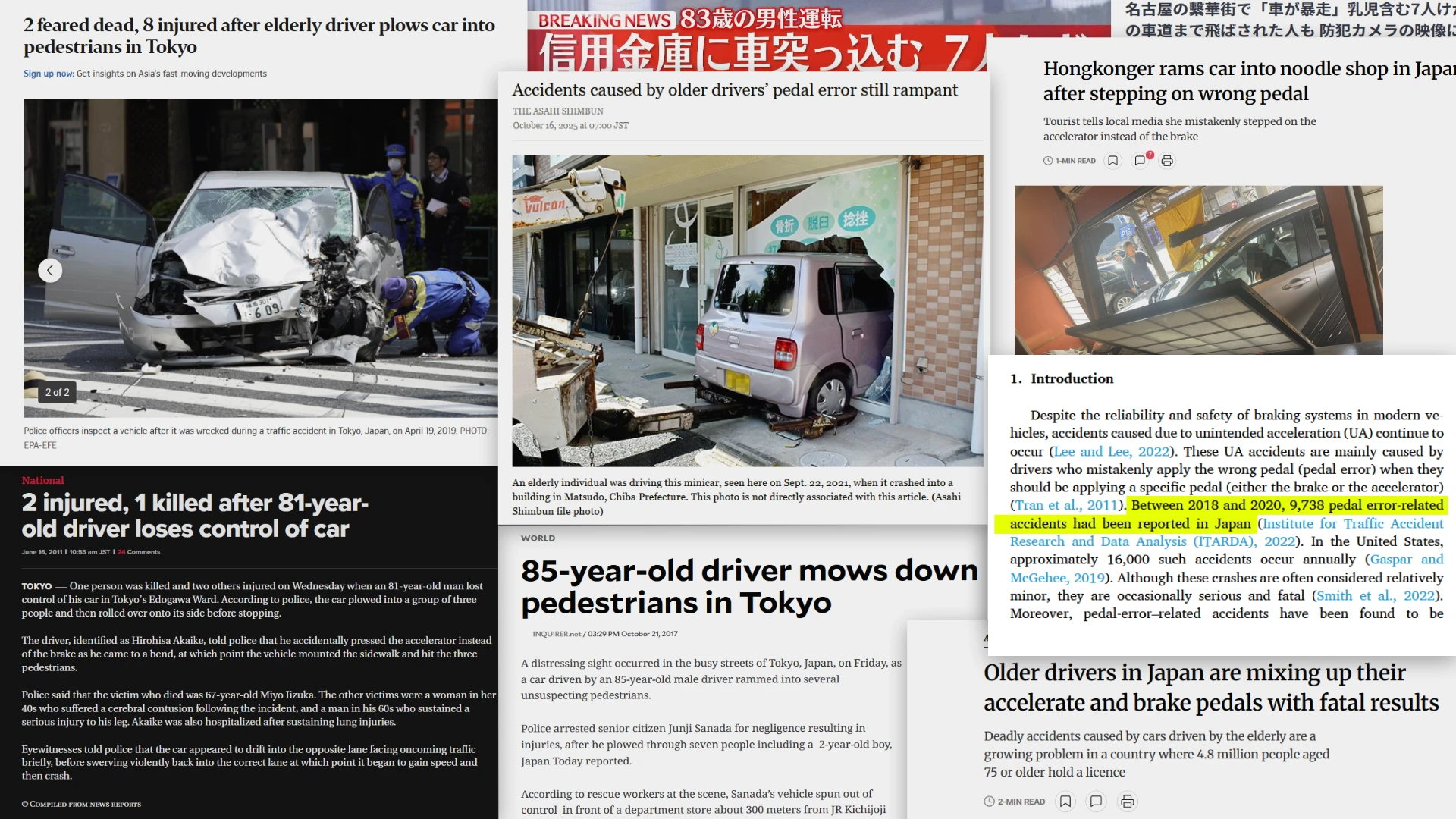
This issue was initially identified and prioritized by Japan’s Ministry of Land, Infrastructure, Transport and Tourism. After a series of highly-publicized accidents, researchers observed that such errors were eight times more likely to be made by elderly drivers. This posed a problem, due to Japan’s increasing number of elderly drivers. Combined with the fact that cars with automatic transmissions are becoming more popular worldwide, many equipped with one-pedal modes, this presented a serious concern for the safety of urban and rural populations worldwide.
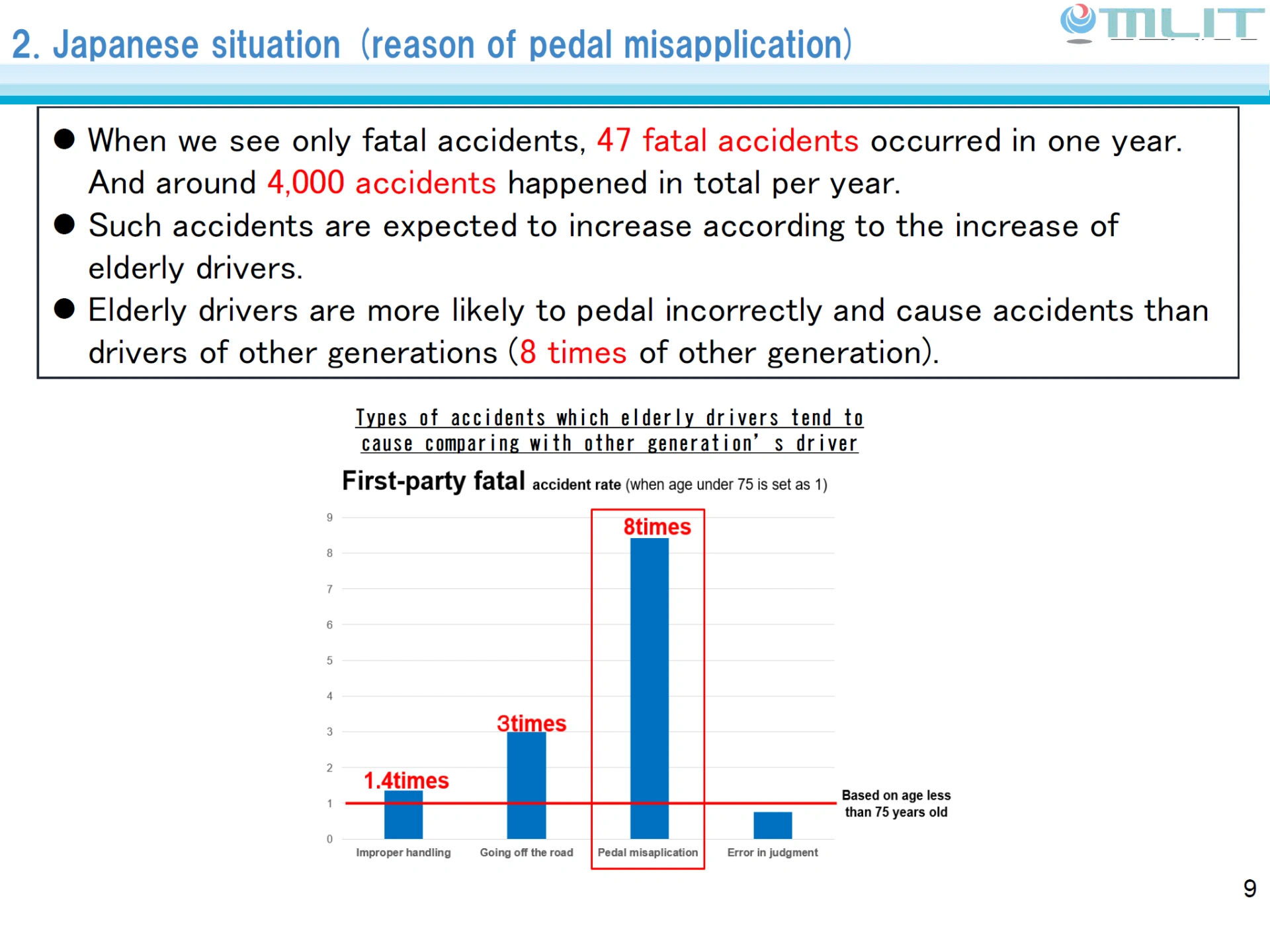
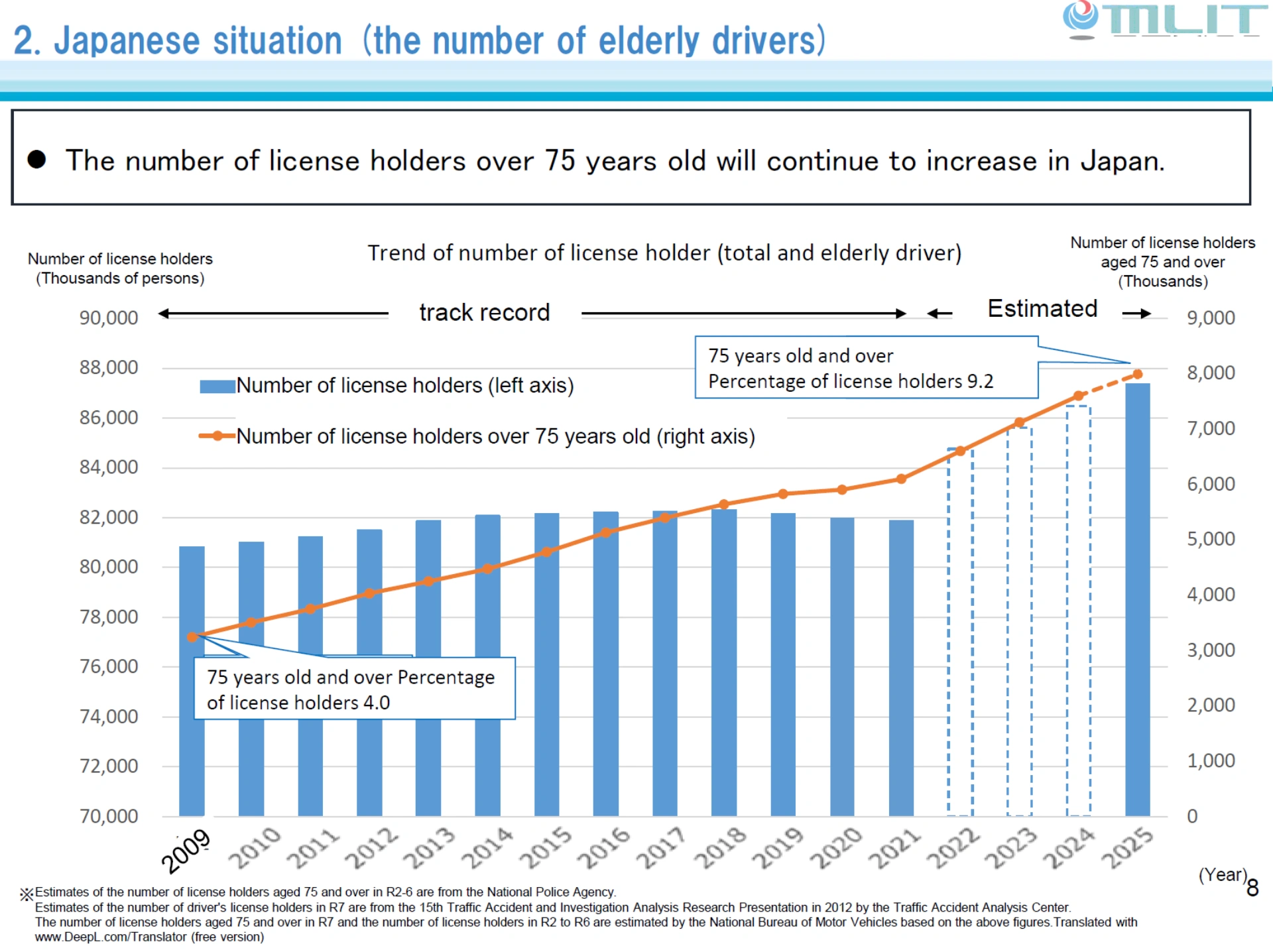
Slides from the 14th GRVA Session, 26-30 September 2022
Japan worked quickly to encourage OEMs to adopt technological solutions to address this – and by 2016, Japan’s New Car Assessment Protocol (J-NCAP) had introduced plans to make Acceleration Control for Pedal Error or ACPE systems a key component of their safety ratings for new cars. From 2018, JNCAP has awarded cars a point for including any ACPE, or “Pedal Misapplication Prevention” system, later expanding the protocol to test for accurate detection of pedestrians, not just other vehicles. By 2022, 90% of new vehicles in Japan were equipped with ACPE systems (sometimes labelled as PMPD).
In 2022 and 2023, Japanese representatives brought the issue in front of the Working Party on Automated/Autonomous and Connected Vehicles (GRVA), proposing a new set of UN ECE regulations to popularize these systems worldwide, called UN R175.
How ACPE Systems work
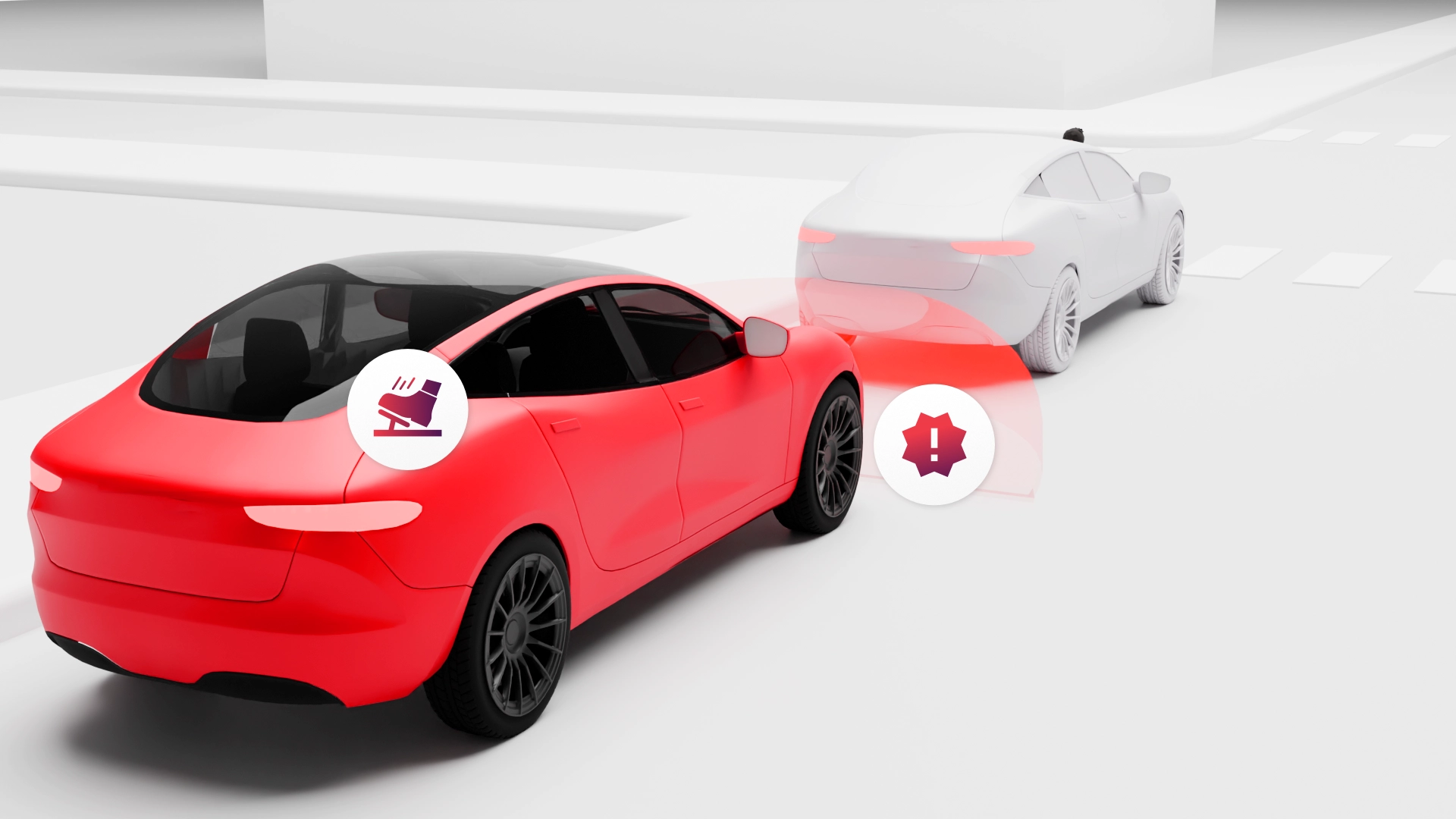

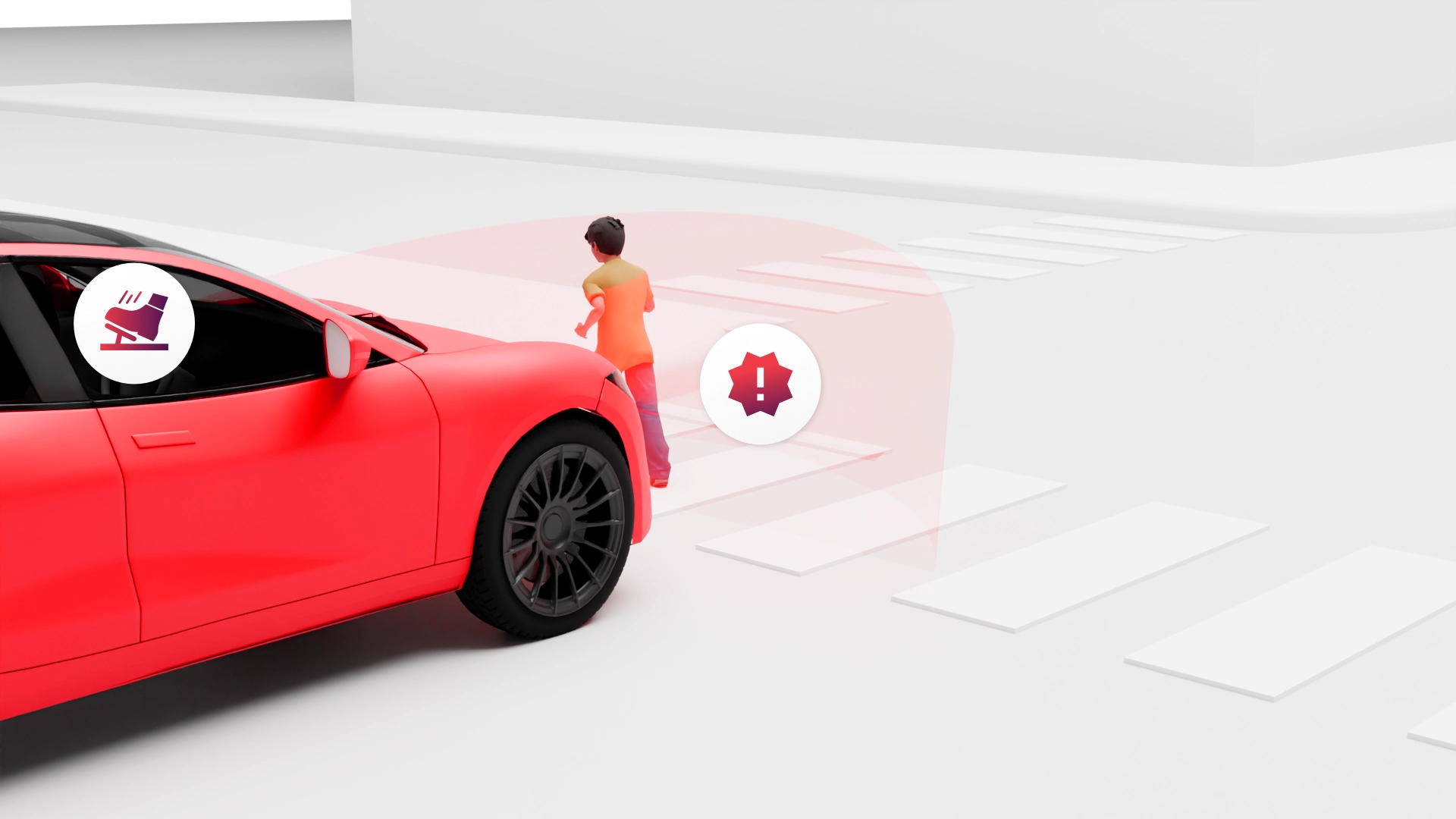
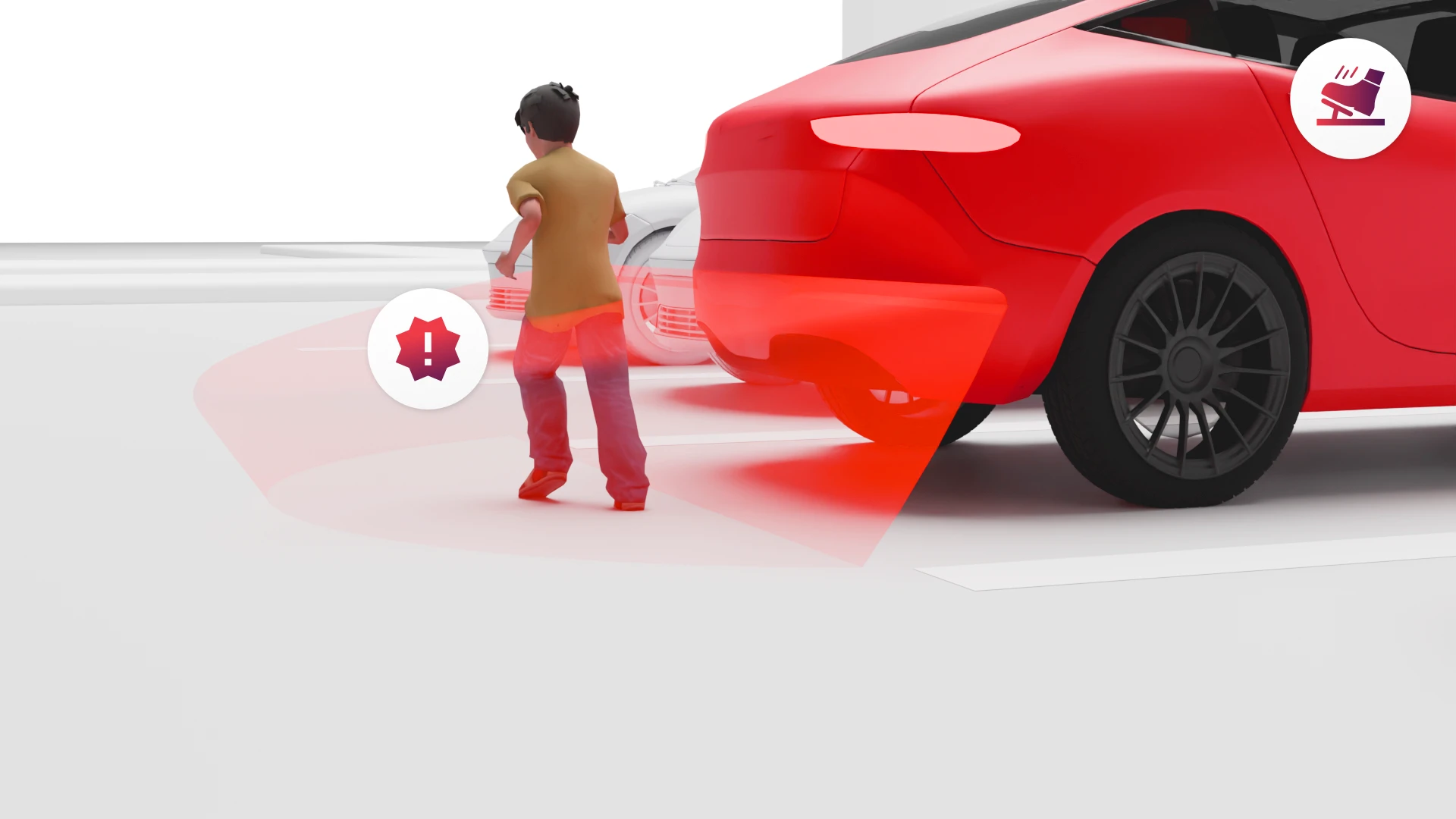
An ACPE system, as per R175, needs to detect a sudden accelerator pedal application, at a rate higher than 400% per second, for more than 70% of the available pedal travel and at 90% pedal position. The vehicle needs to be stationary, or moving at a speed slower than 10 km/h. When such a sudden application is detected, front or rear-mounted sensors of the car need to detect any obstacles within 1.5m, and stop the acceleration.
ACPE systems designed to satisfy the original J-NCAP “Pedal Misapplication Prevention” definition don’t necessarily need to detect an obstacle in the front in order to activate – a sudden pedal actuation without a target can trigger a warning or limit the acceleration speed. This is the case with Toyota’s 2020 2nd gen implementation, offered as standard equipment in new vehicles, or a retrofit module for older vehicles. Their Pedal Misapplication Acceleration Control System II warns the driver and suppresses acceleration even when no obstacle is detected, but it doesn’t apply the brakes unless a sensor detects an obstacle. Acceleration suppression is canceled in three cases: when the turn signal is on, in the cases of starting or accelerating up a steep hill, or within two seconds after the application of the brake pedal.
ACPE vs AEB: what’s the difference?
| Automatic Emergency Braking (AEB) | Acceleration Control for Pedal Error (ACPE) | |
|---|---|---|
| Subject of Control | AEB is required to control the brake system to stop the vehicle. AEB also controls the power train system to suppress acceleration force | ACPE controls the power train system to suppress acceleration force. |
| Driver’s behavior | AEB intervenes when driver fails to take measures to avoid a potential collision | Driver mistakenly applies the accelerator instead of a brake. ACPE ignores / override driver’s input |
| Operational speeds | Works while driving (at least down to 10km/h for C2C and 20km/h for C2P/C2B) | From a standstill and low speed (creepingᵃ) |
| Overridability | “…at any time through a conscious action, e.g., by a steering action or an accelerator kick-down” | Inhibits kick-down |
ᵃ “Creeping” means the state of motion with the powertrain engaged and operating at idle, and no acceleration or brake demand. Added in R715-01.
Adapted from a presentation from CLEPA at the ACPE-01-07 session, 23rd of March, 2023
The Challenges with ACPE systems
Many vehicles have adopted ACPE in some form or another, especially those targeting the Japanese market. Tesla vehicles use their camera-based perception to enable Obstacle-Aware Acceleration. They claim this feature is “designed to reduce the severity of an impact” and “not designed to avoid a collision”, and warns drivers not to rely on it.
Subaru calls their camera-based solution Pre-Collision Throttle Management, and also warns drivers not to rely on it, and lists cases where it may register a false positive, such as a railroad crossing gate, and cases where it may fail to actuate, such as: bad weather or visibility, strong sunlight, fog or liquids on the windshield, obstruction from wiper blades, low obstacles, glass doors and walls, long trucks, and small animals and children, especially if they’re coming in from the sides.
The 2025 Toyota models dub the feature Parking Support Brake Function in the West, using sets of four ultrasonic sensors on the front and rear of the car to detect obstacles.
Ultrasonic sensors, the dominant technology for performing ACPE, have difficulties detecting pedestrians at short distances, especially children. In addition, due to the nature of the technology, the sensors’ directionality cannot be narrowed, so they are prone to picking up noise from the road surface, as noted by the ACPE working group. At a distance of 1 meter, the reflection from an industry-standard pedestrian dummy is as strong as the surface noise.
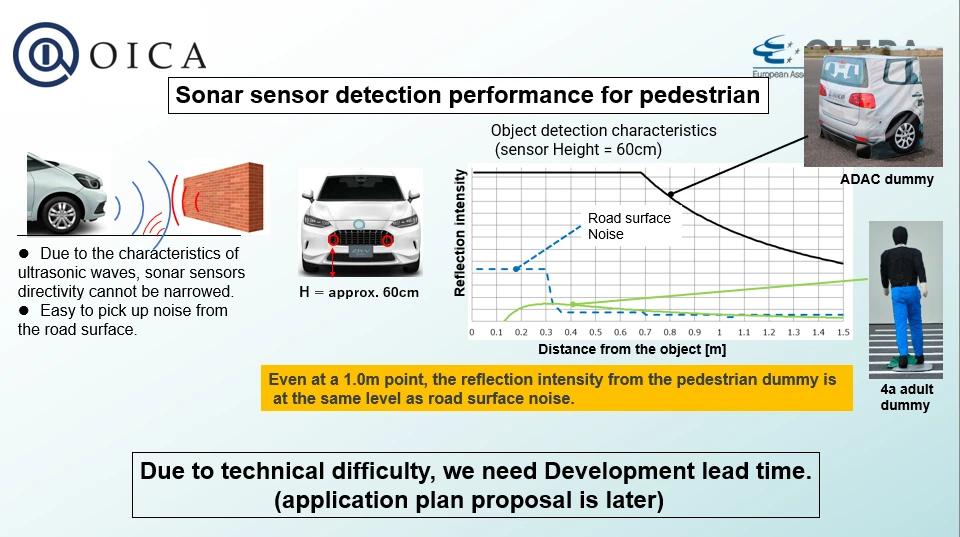
Slide from the ACPE-04-09 session, discussing the detection of pedestrians
The reliability of ultrasonic sensors can be negatively affected after going through a car-wash, as noted by Toyota, and they may set off false positives in ACPE activation on uneven gravel roads, or roads with potholes.
Front driving cameras, such as those used by Subaru and Tesla, can detect pedestrians fairly well, but their field-of-view combined with their mounting position on most cars mean that they can’t see children at a distance of less than 2 meters. An industry researcher from a Japanese automaker noted that “there is no proven ACPE technology“ in all cases, and that further development is needed to minimalize accidents.
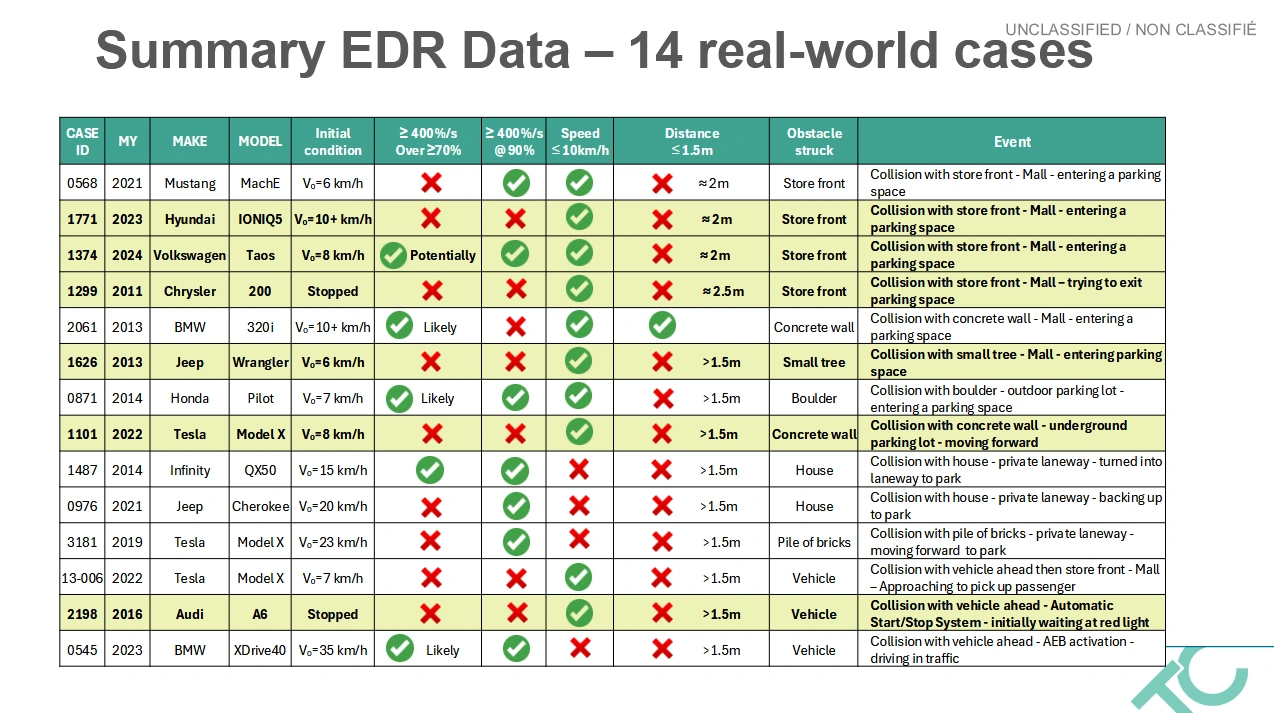
In November 2025, during the development of a General Technical Regulation (GTR) for ACPE technologies, Transport Canada presented an investigation of 14 real-world cases of pedal misapplication accidents where a R175-compliant ACPE system would not have activated, due to not fulfilling the requirements. Out of the 14, 13 had an obstacle farther than 1.5 meters from the car, with four of them having obstacles farther than two meters at the time of the pedal misapplication. This suggests that further expansion of requirements and testing scenarios is needed in order to reach the goal of minimizing pedal misapplication accidents.
Radar sensors
Given the limitations of the sensor technologies discussed above, mmWave radar emerges as an attractive solution. NOVELIC’s ASPER 79 GHz mmWave radar sensors were conceived as a cost-competitive replacement for ultrasonic parking sensors, bringing superior detection performance with additional functionality to all vehicle categories.
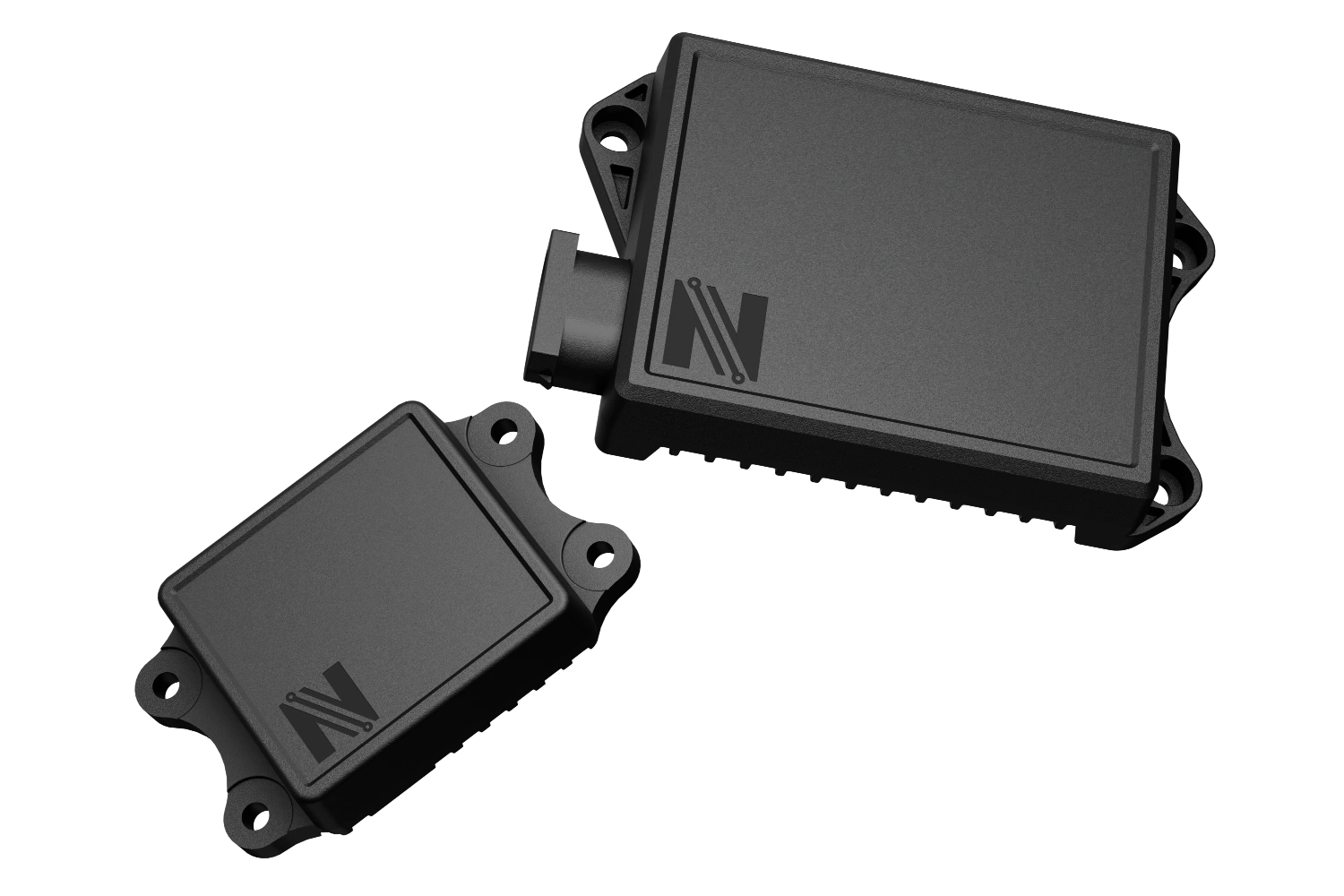
ASPER mmWave radar sensors are superior at detecting shorter obstacles, as well as pedestrians at distances as close as 10 cm, with a better response time and object tracking. The radar modules can be seamlessly integrated behind the front and rear bumpers, covering ACPE scenarios at no additional cost.
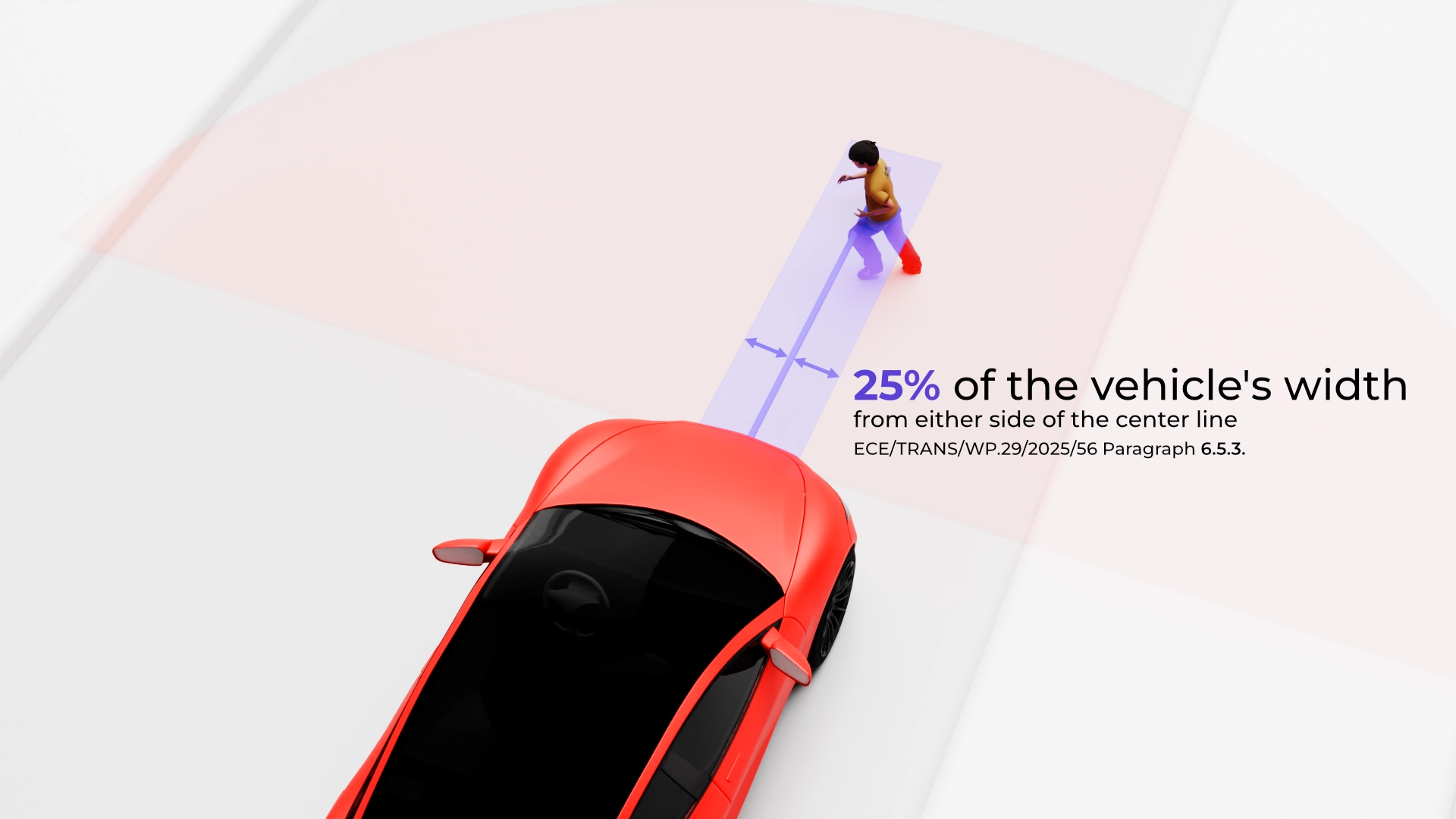
The wide 180° Azimuth field of view allows the sensor to see any potential obstacle in front of the car, including children running into the car’s path – which other sensor technologies may struggle with. The testing procedures set in UN ECE R175-01 currently only test the detection of pedestrians right in front of the vehicle, including an offset to left and right of center, defined as 25% of the vehicle’s width. It goes without saying that cars can still hurt a pedestrian even when they’re outside that perimeter.
Another advantage compared to ultrasonic is the cold start scenario: ASPER radar sensors detect pre-existing targets as soon as the ignition is on, whereas ultrasonic sensors can fail to detect pre-existing targets, especially if they’re “soft targets”, such as children, lying below the rear bumper at close distances.
In addition, many of the investigated pedal misapplication accidents included a collision with a store front – a scenario where sensor technologies such as lidars, cameras, and ultrasonic sensors may falter, as they can have difficulties detecting glass panes under certain conditions.
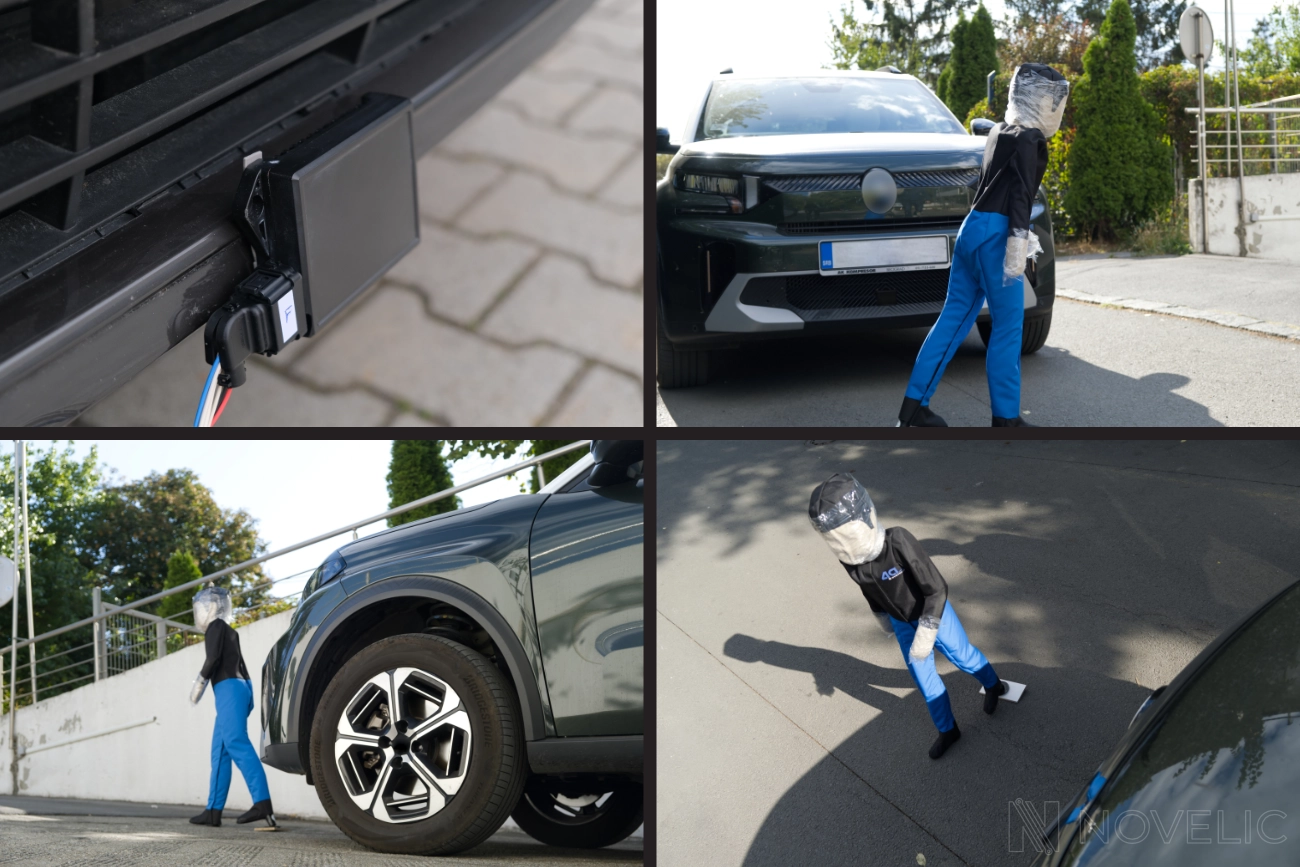
These factors make NOVELIC’s technology an ideal candidate for fulfilling and exceeding the requirements for ACPE systems – with only one sensor on the front, and one on the rear of the vehicle, providing more additional on top of the core park assist functionality. OEMs can get ahead of the baseline R175 requirements, and be ready for future amendments to the safety protocols.
The future
While UN ECE R175 was an important achievement in popularizing this issue, it has its limitations. In its original form, it did not initially require the detection of pedestrians, unlike J-NCAP’s latest protocols – this was likely due to the limitations of legacy sensor technologies. However, with the Work Group moving towards adopting a Global Technical Regulation, the scope of the regulation may expand further: the 01 series of amendments to R175, adopted in June 2026, expanded the definition of “obstacles” to mean “a vehicle, wall-like strucuture, or a pedestrian”, in addition to the requirement for ACPE to activate if the driver mistakenly accelerates while the vehicle is in idle creep. However, the added pedestrian detection testing scenarios are very lax, as discussed above.
Furthermore, UN ECE regulations and GTRs typically boil down to type approvals – a set of requirements for approving safety systems through standardized test scenarios. They do not represent a requirement for all vehicle manufacturers to include a safety feature the way General Safety Regulations (GSRs) do. Individual countries can still make them mandatory, and Japan is already moving in that direction, aiming to have all new cars equipped with ACPE systems by 2028.
It is worth noting that Japan is not the only country facing an aging population – many Western European countries are experiencing demographic shifts on different scales, and if pedal error statistics are consistent across the world, this may become a global issue very soon.
With advances in sensor and perception technologies, and the recent attention given to this issue, we can expect to see a consistent, robust implementation of ACPE systems adopted by many OEMs across the world in the coming years – and we are proud to make it possible with our technology.